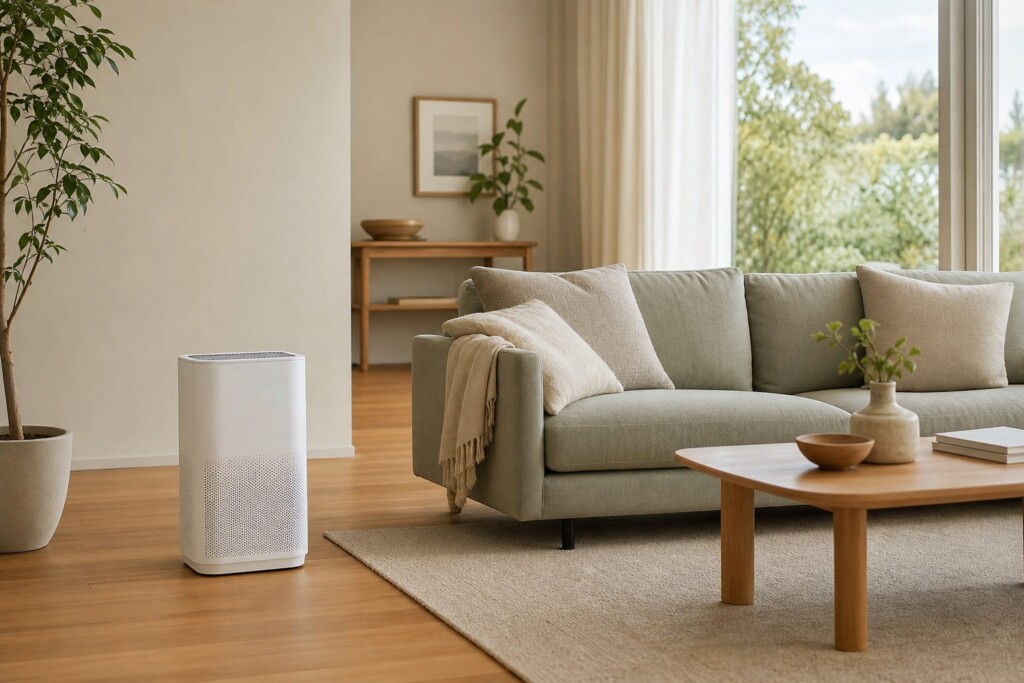
Indoor Air Quality Services in Tampa, FL
Joe's Heating & Air Conditioning Tampa provides indoor air quality services to help Tampa residents breathe cleaner air at home. We assess, improve, and maintain your air systems to reduce pollutants and allergens.
Maintaining good indoor air quality supports comfort, health, and energy efficiency. Our team works with your current system to address common indoor air problems and keep air fresh and balanced.
Factors Affecting Indoor Air Quality
Several factors influence your home's indoor air quality, including ventilation, humidity, and filtration. Ventilation affects how fresh air circulates and removes trapped contaminants.
Humidity levels that are too high or too low can encourage mold growth or cause dryness that irritates the respiratory system. Effective air filters reduce dust, pollen, and other airborne particles your family breathes.
Scheduling Indoor Air Quality Services
Joe's Heating & Air Conditioning Tampa schedules indoor air quality work by the scope and complexity of the job. Once contacted, you will receive a clear plan for the visit timing.
The duration of a visit depends on the service type, ranging from simple assessments to installations or system adjustments. Planning lets you prepare for the work and maintain your home routine.
Indoor Air Quality Credentials and Feedback
Joe's Heating & Air Conditioning Tampa operates with a focus on practical air quality solutions tailored to Tampa homes.
Customer experiences reflect attention to detail and clear communication during visits to assess and improve indoor air conditions.
Indoor Air Quality Warning Signs
Recognizing these signs helps you identify potential indoor air quality issues early before they grow into bigger problems.
- Persistent odors. Unusual or lingering smells that do not go away after airing out the home.
- Allergy flare-ups. Increased sneezing, coughing, or irritation often linked to airborne allergens.
- Visible mold spots. Dark or discolored patches on walls, ceilings, or near moisture sources.
- Excess humidity. Rooms that feel damp or have condensation buildup on windows or walls.
- Dust accumulation. Unusually high dust that settles quickly despite regular cleaning.
- Frequent headaches. Health symptoms such as headaches or fatigue without other explanations.
Common Air Quality Issues
Several issues typically cause indoor air quality problems, often related to system or home conditions.
- Poor ventilation. Insufficient airflow allows indoor pollutants to concentrate and linger.
- High humidity levels. Excess moisture encourages mold growth and dust mite populations.
- Dirty filters. Clogged or old filters limit the removal of airborne particles.
- Chemical pollutants. Use of cleaners, paints, or pesticides can release irritants indoors.
- Outdoor pollutants. Dust, pollen, and pollutants enter when windows or doors remain open.
- Unchecked water leaks. Leaks or spills that cause damp environments promote microbial growth.
Indoor Air Quality Service Steps
Step one: Conduct a thorough assessment of your current air conditions and systems.
Step two: Identify potential sources of pollutants and ventilation issues in your home.
Step three: Recommend appropriate solutions like filtration upgrades or humidity control.
Step four: Perform installation, cleaning, or adjustments following the agreed plan.
Step five: Review the completed work and explain maintenance advice to you.
Mistakes That Harm Air Quality
Avoid these actions that can reduce indoor air quality or complicate professional work.
- Ignoring filter changes. Delaying filter replacement reduces air flow and filtration effectiveness.
- Sealing all vents. Blocking vents limits airflow and traps pollutants inside the home.
- DIY chemical use. Using strong cleaners indoors increases chemical pollutants and irritation.
- Keeping high humidity. Failing to control moisture encourages mold and dust mite growth.
- Delaying professional help. Waiting too long to address issues can allow problems to worsen.
Maintaining Better Air Habits
Follow these maintenance tips between visits to help keep your indoor air healthy.
- Replace filters regularly. Change or clean filters as recommended to maintain air flow and quality.
- Use ventilation fans. Run exhaust fans in kitchens and bathrooms to reduce moisture and odors.
- Keep humidity balanced. Use dehumidifiers or humidifiers to maintain comfortable moisture levels.
- Clean vents and ducts. Remove dust and debris from vents to prevent airborne particle buildup.
- Limit chemical use. Choose low-VOC products and ventilate well when using cleaners or paints.
Common questions
Look for signs like persistent allergies, odors, or visible mold. If you notice these, contact Joe's Heating & Air Conditioning Tampa for an assessment.
The service includes system checks, humidity measurement, filter review, and recommendations for improving air circulation and cleanliness.
The visit length depends on the work needed. Joe's Heating & Air Conditioning Tampa schedules based on job scope for efficient service.
Yes, adjustments like better filtration, ventilation upgrades, and humidity management often improve air quality without a full system replacement.
Reach out if you detect signs such as mold, odors, or allergy symptoms linked to your home environment for a professional check.
Ready when you are
Contact Us Today
Contact Joe's Heating & Air Conditioning Tampa to discuss your heating and cooling system needs. We provide clear explanations and practical options for your home.