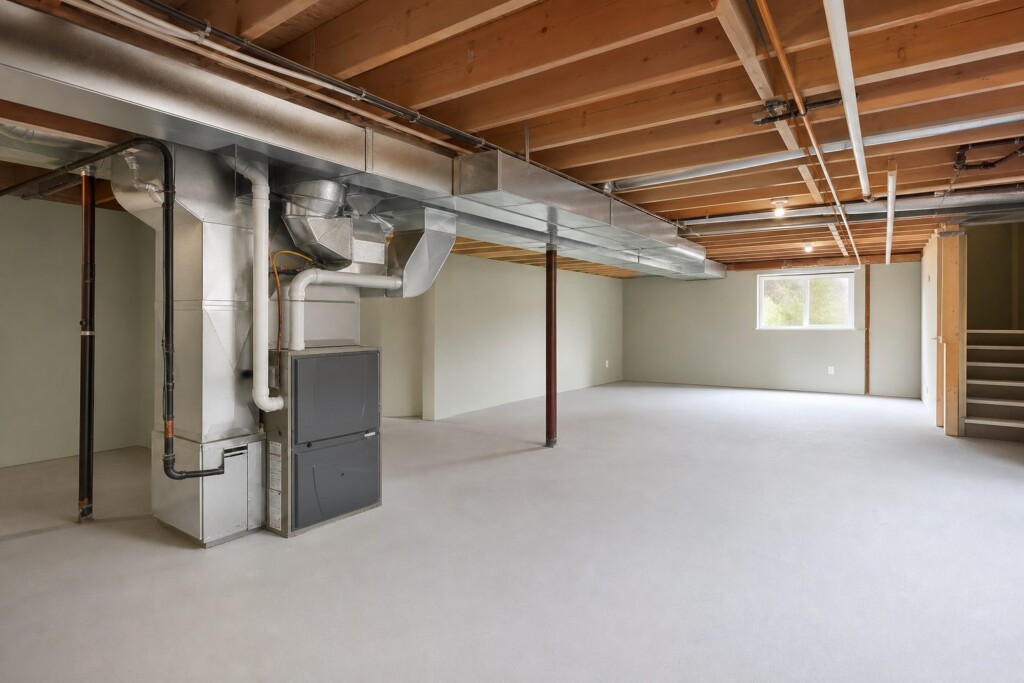
Furnace Installation in Tampa, FL
Furnace installation supports efficient heating and comfort in your Tampa home. Proper installation helps maintain indoor air quality, safety, and equipment performance.
Joe's Heating & Air Conditioning Tampa handles furnace installation with attention to detail and adherence to local standards. We focus on clean setups, clear explanations, and thorough testing to help your system perform as intended.
Factors Affecting Furnace Installation Cost
The cost of a furnace installation depends on the size and type of the furnace chosen for your home. Larger units or those with advanced features require different setup considerations.
The complexity of the existing ductwork or venting system influences the installation scope. If modifications to ducting or ventilation are needed, this can increase labor requirements.
Your home’s layout and access to installation areas also affect how much work goes into the job. Spaces that are harder to reach or require additional preparation may add to installation time.
Scheduling and Project Duration Details
Joe's Heating & Air Conditioning Tampa schedules furnace installation visits based on project scope and seasonal demand. Appointment times are arranged to fit your availability and system needs.
How quickly you hear back depends on the current workload and service requests. We aim to communicate clearly about when a technician will arrive.
Typical installation jobs require multiple hours, depending on furnace size and site complexity. The process involves equipment setup, connections, and safety checks before completion.
Demonstrated Furnace Installation Features
Joe's Heating & Air Conditioning Tampa employs trained HVAC technicians who explain each installation step. Customers have noted how the team walks through their work clearly and ensures proper function before departure.
Indicators to Consider
These indicators suggest your current furnace may need replacement or a new installation to restore performance.
- Inconsistent heating. Rooms feel differently warm, which means uneven furnace operation or outdated equipment.
- Strange noises. Unfamiliar sounds like banging or rattling can indicate furnace wear or malfunction.
- Frequent cycling. The furnace turns on and off too often, leading to inefficiency and discomfort.
- Yellow flame color. A yellow rather than blue flame may show incomplete combustion, signaling the need for inspection.
- Higher energy use. Rising heating bills without usage increase can suggest the furnace is no longer efficient.
- Unusual odors. Musty or burning smells may come from combustion issues or dust burning off.
Frequent Furnace Installation Causes
Common reasons for installing a new furnace include outdated or failing equipment, changes in heating requirements, and installation defects.
- Aging equipment. Older furnaces often lose efficiency and fail to heat effectively over time.
- Improper sizing. Furnaces too large or small for the home cause uneven heating and wasted energy.
- Poor ventilation. Incorrect venting can lead to safety problems and system shutdowns.
- Wear and tear. Components like burners and heat exchangers degrade with use, affecting operation.
- Home renovation. Structural changes often require updates or replacements of heating equipment.
Installation Step Outline
Step one: Assess the correct furnace size and model for your home's needs.
Step two: Prepare the installation site, including ductwork adjustments if needed.
Step three: Remove any existing furnace and clear the area for the new unit.
Step four: Position and secure the new furnace according to safety codes.
Step five: Connect electrical, fuel, and venting components properly.
Step six: Test the system for correct operation and safety before finishing.
Step seven: Explain to you how the new furnace functions and what to expect.
Furnace Installation Pitfalls
Avoid common mistakes that compromise furnace installation and safety before a professional completes the work.
- DIY installation. Attempting to install a furnace yourself risks improper setup and safety hazards.
- Ignoring duct issues. Failing to address duct leaks or blockages reduces heating efficiency after installation.
- Skipping safety checks. Not verifying combustion and venting safety can lead to dangerous conditions.
- Using wrong furnace size. Selecting an improperly sized unit leads to poor heating and early wear.
- Delaying installation. Waiting too long to replace a failing furnace can cause discomfort and system damage.
Maintaining Your Furnace
Proper care between professional visits helps your furnace last longer and operate smoothly.
- Regular filter changes. Replace filters on schedule to keep air clean and airflow unobstructed.
- Keep area clear. Maintain a clean space around the furnace to avoid fire risks and allow airflow.
- Schedule tune-ups. Have technicians check the system periodically for safety and efficiency.
- Monitor thermostat. Use the thermostat properly to avoid unnecessary furnace cycling or strain.
- Inspect vents. Ensure vent pipes are free of obstructions for proper exhaust and fresh air intake.
Common questions
Installation time varies by furnace size and home layout. Typically, a job lasts several hours from start to finish.
Clear access to the furnace location and arrange for someone to be home. Remove any obstacles around the installation area.
Furnace installation involves technical connections and safety requirements best handled by trained professionals.
The service includes site evaluation, old unit removal, new unit setup, connections, venting, and testing.
Consider installation when your current furnace fails to heat properly or poses safety concerns.
Ready when you are
Contact Us Today
Contact Joe's Heating & Air Conditioning Tampa to discuss your heating and cooling system needs. We provide clear explanations and practical options for your home.