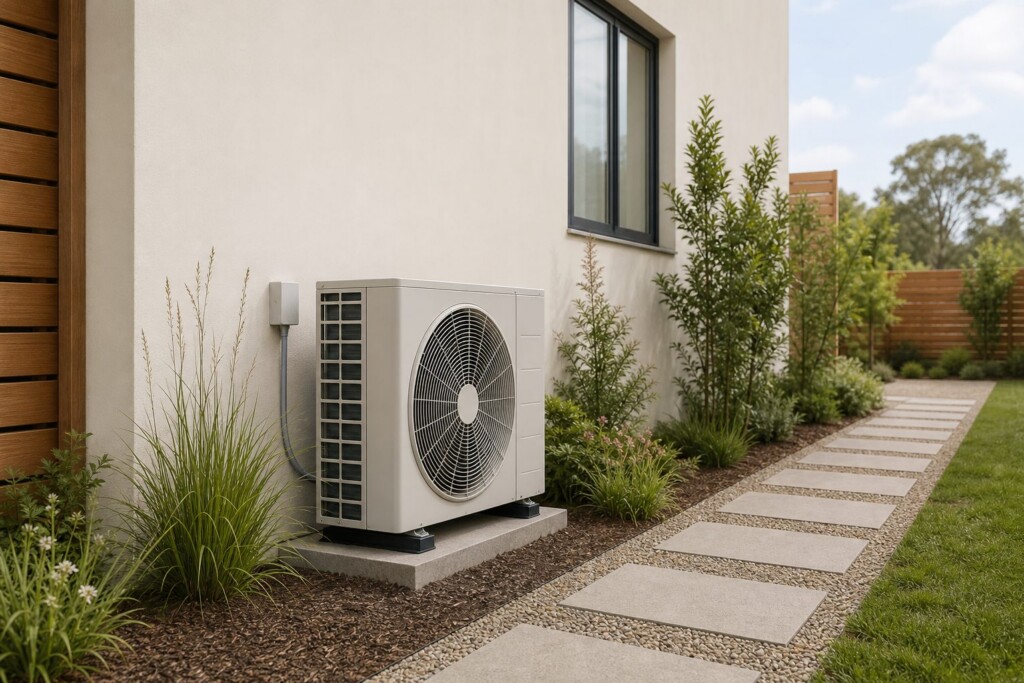
Heat Pump Installation in Tampa, FL
Joe's Heating & Air Conditioning Tampa offers heat pump installation services to homeowners in Tampa. Our team installs quality heat pump units that provide heating and cooling for your home.
Proper installation includes evaluation of your current system and careful setup of new equipment. This service helps maintain balanced temperature and energy use in your property.
Cost Factors
The cost of heat pump installation depends on the size of your home and the system needed to condition that space adequately. Larger homes usually require bigger or multiple units.
The type and brand of heat pump chosen also affect installation costs. Some models have different setup requirements or components that impact labor.
Other factors include the condition of your current ductwork and electrical system. If upgrades are necessary to support a heat pump, that increases the overall work scope.
Installation Timing
Scheduling for heat pump installation varies based on the scope of work and equipment availability. A technician contacts you to confirm timing after you request service.
The installation visit typically takes one to two days depending on the complexity of the existing system and any additional setup tasks.
Once installation begins, the team sets up the heat pump, tests airflow and controls, and inspects the work. This ensures the system operates correctly.
Installer Proof
Joe's Heating & Air Conditioning Tampa follows industry installation standards and uses trained technicians for all heat pump setup tasks.
Work quality is supported by careful inspection and testing before completion. This ensures your heat pump meets basic operational expectations.
Customer feedback highlights attention to detail during installation visits and clear communication about the process and equipment.
Signs to Watch
These signs often point to heat pump issues that may need professional installation or replacement.
- Inconsistent temperatures. Rooms feel unevenly heated or cooled despite thermostat settings.
- Unusual noises. Humming, buzzing, or rattling sounds come from the heat pump unit.
- Higher energy bills. Your energy use increases without a clear change in habits.
- Frequent cycling. The system turns on and off more often than normal.
- Poor airflow. Air vents deliver weak or no air even when the system runs.
- Moisture buildup. Excessive condensation appears near the heat pump or ducts.
Common Causes
Heat pump problems frequently stem from installation or aging system issues.
- Incorrect sizing. The heat pump is too large or too small for your home’s heating and cooling needs.
- Improper setup. Installation errors in wiring, refrigerant charge, or duct connections reduce efficiency.
- Duct leaks or blockages. Damaged or poorly sealed ducts reduce airflow and system performance.
- Faulty thermostat. A malfunctioning thermostat causes irregular system operation.
- Inadequate maintenance. Lack of regular cleaning and inspections affects system reliability.
Installation Steps
Step one: we assess your home’s heating and cooling requirements and inspect existing systems.
Step two: we select and deliver a heat pump unit suitable for your property.
Step three: we remove any old equipment as needed to clear the installation area.
Step four: we install the heat pump following manufacturer specifications and local codes.
Step five: we test the system operation and adjust controls for optimal performance.
Step six: we explain the system features and care recommendations to you before finishing.
Common Mistakes
Avoid these actions to prevent heat pump issues before installation or maintenance work.
- Skipping system evaluation. Do not ignore proper sizing and compatibility assessments before installation.
- Attempting DIY installation. Installing a heat pump requires specialized skills and tools to work safely.
- Neglecting ductwork. Do not overlook leaks or blockages in air ducts that impair performance.
- Ignoring electrical needs. Ensure your home’s electrical system supports the heat pump’s power requirements.
- Delaying airflow checks. Verify vents supply sufficient air flow after installation to avoid problems.
Maintenance Tips
Follow these habits to keep your heat pump running well between professional visits.
- Regular filter changes. Replace or clean air filters monthly to maintain unobstructed airflow.
- Clear outdoor area. Keep debris and vegetation away from the outdoor heat pump unit.
- Schedule inspections. Arrange periodic professional checks to catch issues early.
- Monitor thermostat use. Set thermostat properly to avoid unnecessary cycling and system strain.
- Seal leaks. Check and repair duct or window leaks that affect indoor temperature.
Common questions
Look for uneven temperatures, increased energy use, or noisy operation indicating system replacement.
A professional assessment, removal of old units, proper mounting, and thorough testing complete the process.
Heat pump installation requires experience and equipment best handled by trained technicians.
Regular filter changes, duct checks, and professional inspections sustain system efficiency.
A correctly chosen and installed heat pump provides steady temperature control and energy management.
Ready when you are
Contact Us Today
Contact Joe's Heating & Air Conditioning Tampa to discuss your heating and cooling system needs. We provide clear explanations and practical options for your home.