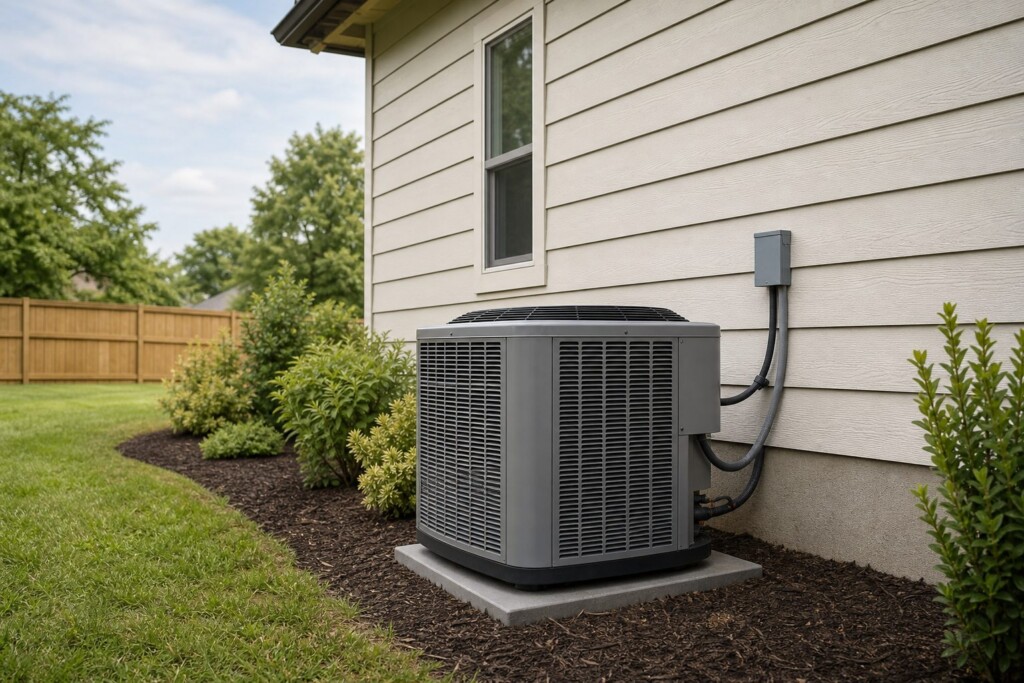
AC Installation in Tampa, FL
AC installation requires careful planning and skilled work to ensure your home stays comfortable and efficient. Joe's Heating & Air Conditioning Tampa handles AC installation with attention to detail in Tampa, FL.
From selecting the right system to completing a professional setup, they provide thorough work that fits many Tampa homes and keeps cooling systems running properly.
Equipment and Setup Details
AC installation involves selecting appropriate system components for your property. This includes the indoor air handling unit, the outdoor condenser, and necessary ductwork adjustments.
Proper placement and connection of the equipment ensure air circulates correctly to cool your space and maintain efficiency. Electrical wiring and thermostat installation are also part of this work.
Factors Affecting Installation Costs
Several elements influence the cost of AC installation. The size of your home or space is important, as larger properties require larger or multiple units.
The type and efficiency of the system chosen also affect cost. Additionally, the condition of your current ductwork and any needed modifications will impact the overall installation process.
Complexities such as custom fitting units to non-standard spaces or updating electrical components can increase costs as well.
Scheduling and Job Duration
Scheduling depends largely on the scope of the installation project. Joe's Heating & Air Conditioning Tampa arranges appointments based on the size and complexity of the job.
How quickly you hear back after requesting service varies with demand, but work usually begins once details are confirmed.
The actual installation time depends on system type and home layout, often ranging from a few hours to several days for extensive setups.
Company Credentials and Customer Feedback
Joe's Heating & Air Conditioning Tampa operates with a focus on thorough workmanship. Licensed facts or customer reviews were not provided for this service.
The company completes installations according to industry standards and local codes to support safe and functional operation.
Noticing Installation Issues
Certain signs indicate that an AC installation may have problems needing attention from a professional.
- Uneven cooling. Rooms feel noticeably warmer or cooler than others, indicating airflow issues or poor setup.
- Excessive noise. Louder sounds than expected can mean loose components or improperly mounted units.
- Frequent cycling. The system turns on and off too often due to improper sizing or thermostat errors.
- High humidity. Indoor air remains moist despite cooling, signaling insufficient system capacity or airflow.
- Poor airflow. Weak or limited air coming from vents suggests duct or blower issues.
- Water leakage. Pooling water near indoor units could result from installation faults or clogged drainage.
Usual Installation Complications
Problems with AC installation often arise from these common difficulties.
- Incorrect sizing. Choosing a unit too large or too small for the space leads to inefficiency and wear.
- Poor duct design. Ducts that are leaky, blocked, or improperly routed reduce airflow and system effectiveness.
- Improper electrical connection. Faulty wiring or mismatched breakers create safety risks and operational failures.
- Incorrect refrigerant charge. Undercharging or overcharging refrigerant affects cooling capacity and system health.
- Inadequate drainage. Drain lines not installed or blocked cause water damage and system shutoffs.
Steps in the Installation Process
Step one: Evaluate your home’s cooling needs and select an appropriate system.
Step two: Prepare the installation site, including ductwork and electrical connections.
Step three: Set up the outdoor condenser and indoor air handler units securely.
Step four: Connect the refrigerant lines, thermostat, and control wiring correctly.
Step five: Test the system for operation, airflow, and temperature performance.
Step six: Clear debris and explain the system use and maintenance to you.
Common Installation Mistakes to Avoid
Homeowners sometimes take steps during or after installation that can cause issues.
- Using improper duct materials. Ducts made from unsuitable materials can leak air and reduce efficiency.
- Skipping professional evaluation. Installing without an expert assessment risks choosing the wrong system size.
- Delaying duct sealing. Not sealing ducts promptly increases air loss and reduces system effectiveness.
- Adjusting refrigerant charge yourself. Only trained technicians should handle refrigerant to avoid damage and legal issues.
- Ignoring electrical requirements. Failing to properly set up electrical circuits may cause faults or hazards.
Maintenance Advice After Installation
Following regular care practices preserves your AC system’s performance and extends its lifespan.
- Replace or clean filters regularly. Maintaining clean filters improves airflow and indoor air quality.
- Keep outdoor unit clear. Clear leaves and debris around the condenser to allow proper airflow.
- Schedule periodic professional checkups. Regular inspections catch minor issues before they develop into larger problems.
- Inspect ductwork leaks. Check ducts for leaks or damage and repair them promptly.
- Monitor thermostat settings. Use programmable thermostats to optimize cooling and reduce wear.
Common questions
Signs such as inconsistent cooling or frequent repairs may indicate the need for a new system.
Scheduling depends on the size and complexity of your installation as well as current demand.
Yes, but some noise and disruption are normal while the equipment is being installed.
Clear access to installation areas and ensure pets are secured for safety.
Technicians set up and connect units, test the system, and review usage with you.
Ready when you are
Contact Us Today
Contact Joe's Heating & Air Conditioning Tampa to discuss your heating and cooling system needs. We provide clear explanations and practical options for your home.